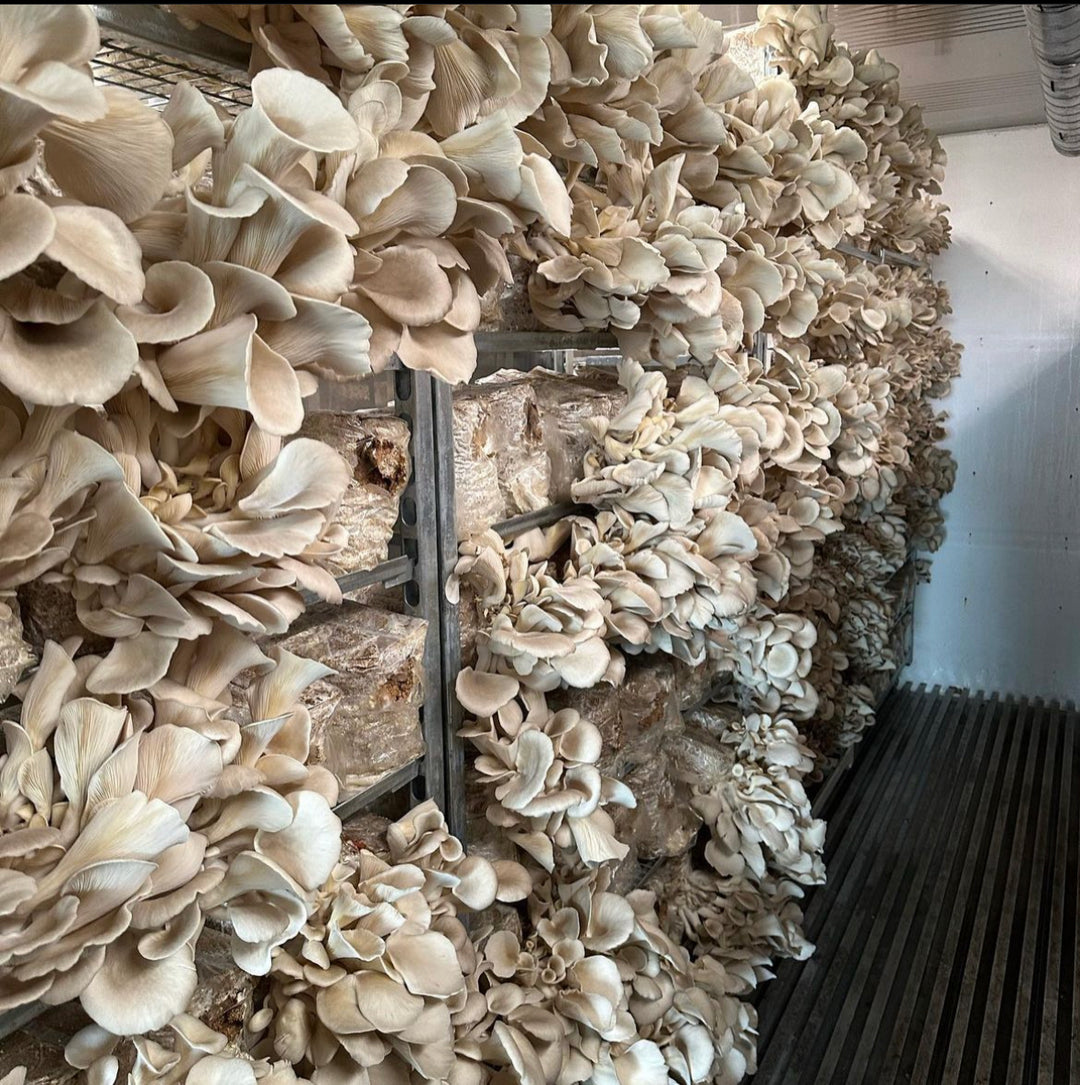
Can I Start a Vertical Farm with No Experience?

The idea of stacking trays of lush green plants from floor to ceiling, harvesting food in
a converted spare room or shipping container, sounds exciting. But if you´ve never
grown so much as a windowsill herb before, you might wonder: is vertical farming
something I can actually do without any experience? The encouraging answer is yes, but there are a few things you should know before you dive in.
What Is Vertical Farming?
Vertical farming is a form of indoor agriculture in which crops are grown in vertically
stacked layers, often under artificial LED lighting and using hydroponic or aeroponic
growing methods. The appeal is obvious: you can produce large amounts of food in
a small footprint, regardless of outdoor conditions. Vertical farms can be set up in
warehouses, shipping containers, basements, garages, or dedicated growing rooms.
Do You Need Experience?
No prior farming or gardening experience is strictly required to start a vertical farm.
The core principles of vertical farming, managing light, nutrients, water,
temperature, and humidity, can be learned through online resources, courses, and
practical experimentation. Many successful vertical farmers started with zero
agricultural background and built their knowledge through trial and error.
That said, the learning curve is real. Managing a growing environment involves
understanding plant biology, nutrient chemistry, and environmental controls.
Mistakes can be costly if you´re operating at scale. Starting small and learning
gradually is always the wisest approach.
Start Small
The best way to enter vertical farming without experience is to start with a small
home setup. A two-tier or four-tier growing rack with LED lights and a simple
hydroponic system is enough to grow herbs and salad leaves and to learn the
fundamentals. As your confidence and knowledge grow, you can expand your setup
and take on more complex crops.
What Crops Should You Start With?
For beginners in vertical farming, leafy greens and herbs are the ideal starting point.
Lettuce, spinach, kale, basil, and cilantro all grow quickly, tolerate beginner mistakes
relatively well, and don´t require complex nutrient programmed. Microgreens are
another excellent choice, they grow incredibly quickly and are forgiving for new growers.
Learning Resources
There´s an abundance of free and paid learning resources available online. YouTube
channels dedicated to hydroponics and vertical farming, online courses, growing communities and forums, and the growing body of academic literature on controlled environment agriculture all provide valuable knowledge. Don´t underestimate the value of connecting with other growers, the vertical farming community is generally
friendly and helpful.
Getting the Right Equipment
Having the right equipment from the start saves a lot of frustration. If you´re in the
Nordic region, https://nordichydro.com/ is an excellent resource for beginners setting
up their first vertical farm. We offer starter-friendly systems and can help you choose the right setup for your goals and space.
Common Beginner Mistakes to Avoid
The most common mistakes for new vertical farmers are: overcomplicating the setup
before mastering the basics; neglecting pH management (the most common cause
of plant problems); overwatering or underfeeding; using poor-quality lighting; and
failing to maintain a consistent temperature and humidity. Being aware of these
pitfalls ahead of time puts you a step ahead.
You absolutely can start a vertical farm with no experience. The key is to begin
small, invest time in learning the basics, and be patient with yourself as you develop
your skills. Every expert was once a beginner, and the satisfaction of harvesting your
own food from a vertical farm you built yourself is hard to beat.