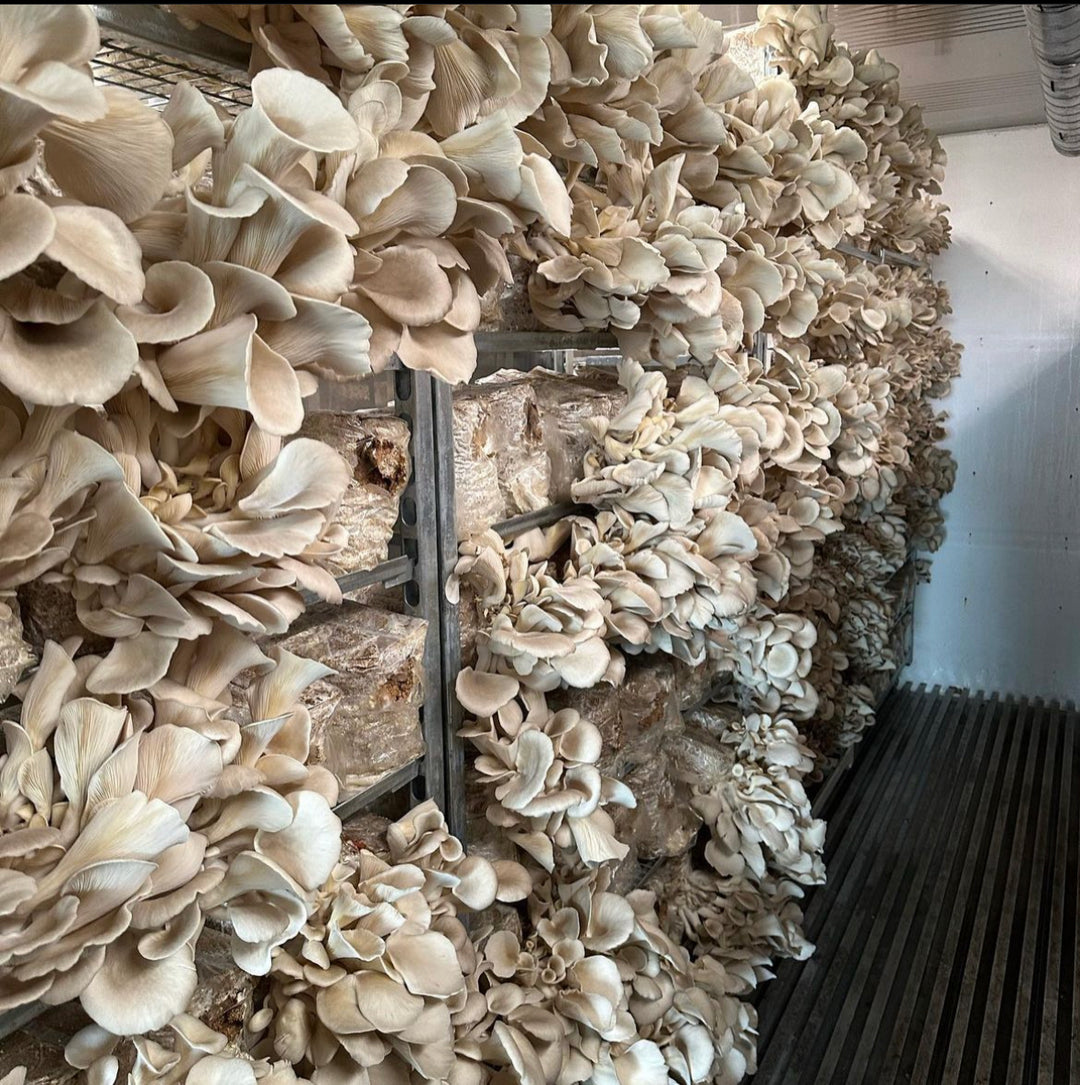
CEA (Controlled Environment Agriculture)

Controlled Environment Agriculture, commonly known as CEA, refers to growing crops within a structure where key environmental factors, light, temperature, humidity, CO2 levels, and nutrient delivery, are actively monitored and managed rather than left to natural, outdoor conditions. CEA spans everything from small home hydroponic setups to
massive commercial vertical farms, and it represents one of the most significant shifts in how food is grown today.
The Core Principle Behind CEA
Traditional agriculture is at the mercy of weather, season, and soil conditions, all significant sources of unpredictability and risk. CEA removes this unpredictability by creating a controlled indoor environment where every variable affecting plant growth can be precisely managed. This control allows for consistent, predictable yields regardless of outdoor climate, along with the ability to optimize growing conditions specifically for each crop’s ideal requirements rather than accepting whatever conditions nature provides.
Key Elements of Controlled Environment Agriculture
Lighting: Full-spectrum LED grow lights provide precisely calibrated light intensity and spectrum, often more consistent and optimized than natural sunlight for plant growth.
Climate control: Temperature and humidity are actively managed, typically through a combination of grow tents or rooms, humidifiers, and ventilation systems, to maintain the exact conditions each crop needs.
Growing method: Most CEA operations use hydroponic, aeroponic, or aquaponic growing methods rather than soil, allowing for more precise nutrient delivery and faster growth cycles.
Monitoring systems: Sensors tracking temperature, humidity, CO2, and nutrient levels allow growers to make real-time adjustments, maintaining optimal conditions consistently.
Why CEA Is Gaining Momentum
CEA addresses several pressing challenges in modern food production: unpredictable weather patterns linked to climate change, increasing pressure on arable land, and growing consumer demand for fresh, local produce regardless of season. By removing dependence on outdoor conditions, CEA allows food production to happen anywhere, including urban environments with no traditional farmland, and to happen year-round rather than being limited to a specific growing season.
CEA at the Home Scale
While CEA is often associated with large commercial operations, the same principles apply directly to home growing. A home grow tent equipped with LED lighting, a humidifier, and a hydroponic system is, in essence, a small-scale CEA operation, using the same core principles of environmental control that large commercial farms rely on, just scaled
down to fit a spare room or closet.
The Benefits of Applying CEA Principles at Home
Home growers who apply proper CEA principles, rather than simply placing plants near a window and hoping for the best, see significantly better and more consistent results. Controlling light, temperature, and humidity within a dedicated space removes the guesswork and inconsistency that often causes home growing attempts to fail, leading to
more reliable harvests and healthier plants overall.
Building Your Own CEA Setup
Whether you’re interested in a small home CEA setup or scaling toward a more serious growing operation, the core equipment remains consistent: a controlled space (like a grow tent), appropriate LED lighting, a humidifier for climate control, and a hydroponic system for efficient nutrient delivery. https://nordichydro.com/ offers the complete range of
equipment needed to build effective controlled environment agriculture at any scale, from a single shelf to a full multi-tier growing operation.
Controlled Environment Agriculture represents a fundamental shift toward more predictable, resilient, and location-independent food production. Whether applied at massive commercial scale or within a single home grow tent, the same core principles, precise control over light, temperature, humidity, and nutrients, deliver consistently better
growing results than leaving plants to the mercy of natural, uncontrolled conditions.