How Much Does It Cost to Start an Indoor Farm?

Starting an indoor farm is an increasingly popular goal for both aspiring
entrepreneurs and dedicated home gardeners. But one of the first questions anyone
asks is: how much will it cost?
The truth is that costs vary enormously depending on your scale, ambitions, and the type of crops you want to grow. In this post, we´ll walk through the main cost categories for indoor farming and give you a realistic idea of what to budget at different scales.
Home Hobby Farm: Under €500
At the smallest scale, you can build a functional indoor herb and salad farm for under
€500. This might include a basic grow rack (€50–100), a small LED grow light
(€50–150), a simple hydroponic system like a DWC or Kratky setup (€30–80), starter
nutrients and growing media (€30–50), and seeds (€10–20). For this investment,
you´ll be able to grow a continuous supply of fresh herbs and salad leaves for your
household.
Serious Home Setup: €500 – €3,000
For a more ambitious home setup capable of producing a wider variety of crops and
larger yields, a budget of €500 to €3,000 is appropriate. This might cover a multi-tier
grow rack with quality LED lights, a more sophisticated hydroponic system, an
environmental controller to monitor temperature and humidity, and a broader range
of growing supplies. At this level, you can produce genuinely meaningful amounts of
fresh food and potentially sell surplus produce locally.
Small Commercial Operation: €5,000 – €50,000
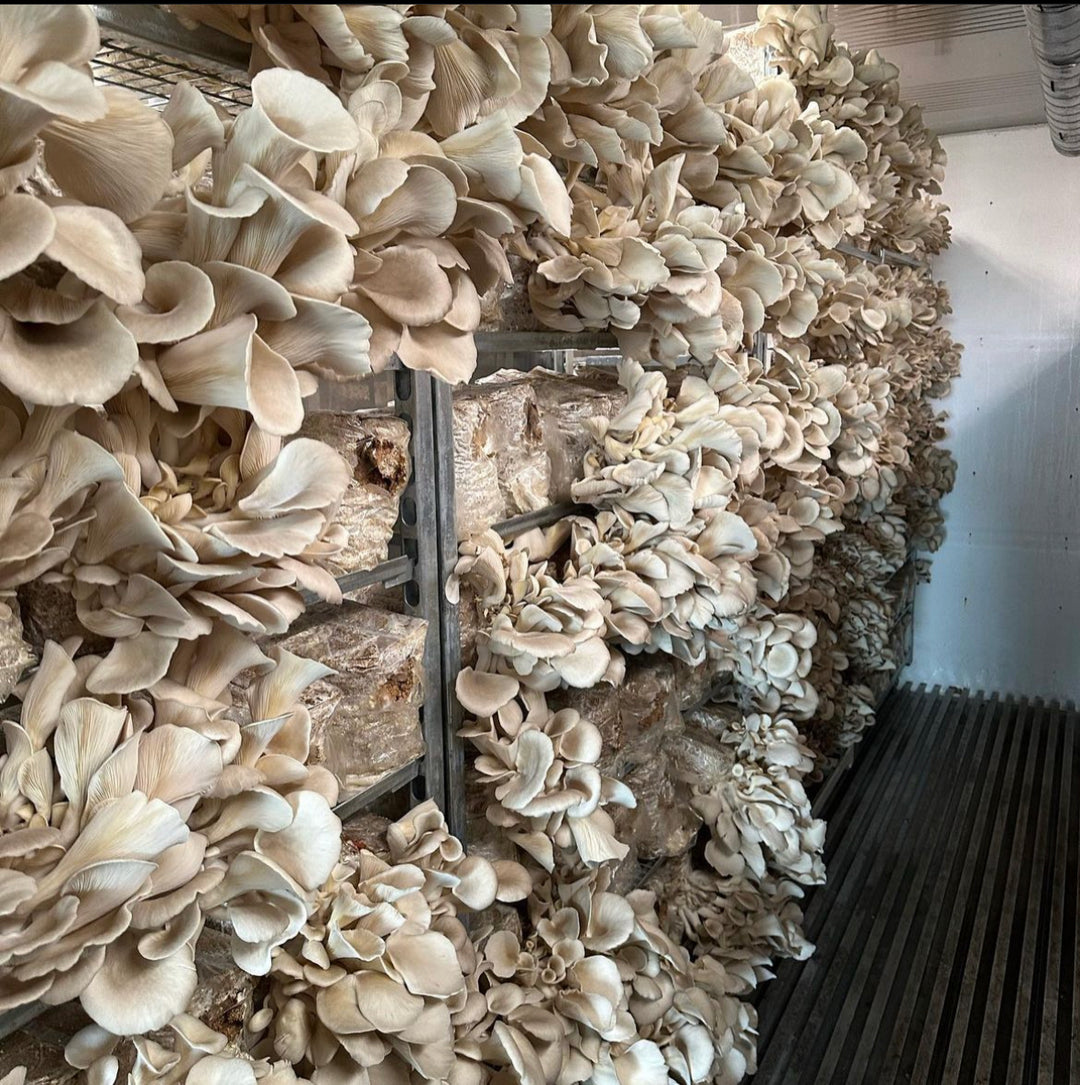
Stepping up to a small commercial indoor farm, a converted garage, container, or
dedicated growing room supplying local restaurants or markets, requires a
significantly larger investment. The main cost categories at this scale are
commercial-grade LED lighting (€2,000–10,000 for a full growing room), hydroponic
growing systems (€1,000–5,000), environmental controls including HVAC, humidity,
and CO2 management (€2,000–10,000), racking and structural infrastructure
(€1,000–5,000), and water treatment and dosing systems (€500–3,000).
Hidden Costs to Consider
Beyond the obvious equipment costs, there are hidden costs that catch many new
indoor farmers off guard. These include the cost of converting a space to be suitable
for growing (waterproofing, electrical upgrades, insulation), ongoing electricity costs,
labor (even if it´s just your own time), packaging and labelling if you´re selling
produce, and replacement of consumables like growing media, nutrient solutions,
and light bulbs over time.
Financing Your Indoor Farm
Small indoor farming setups can be financed through personal savings without too
much difficulty. Larger commercial setups may benefit from small business loans,
agricultural grants (available in many European countries for sustainable farming
initiatives), or crowdfunding. In Finland and other Nordic countries, there are specific
grants and support programs for sustainable food production businesses worth
exploring.
Where to Source Equipment
For growers in the Nordic region, https://nordichydro.com/ is a reliable source of
indoor farming equipment at fair prices. Whether you´re setting up a home herb
garden or planning a commercial operation, you´ll find what you need without
overpaying.
Return on Investment
The return on investment from an indoor farm depends heavily on what you grow
and where you sell it. Microgreens and specialty herbs grown for local restaurants
can generate impressive returns on a modest investment. A home herb setup can
pay for itself within a few months in saved grocery costs. Commercial operations
take longer to reach profitability but can be highly successful when managed well.
The cost of starting an indoor farm ranges from a few hundred euros for a home
hobby setup to tens of thousands for a commercial operation. Start at the scale that
matches your goals and budget, invest in quality equipment from the start, and build
your knowledge before you scale. The potential rewards — in fresh food, financial
return, and personal satisfaction — are well worth the initial investment.