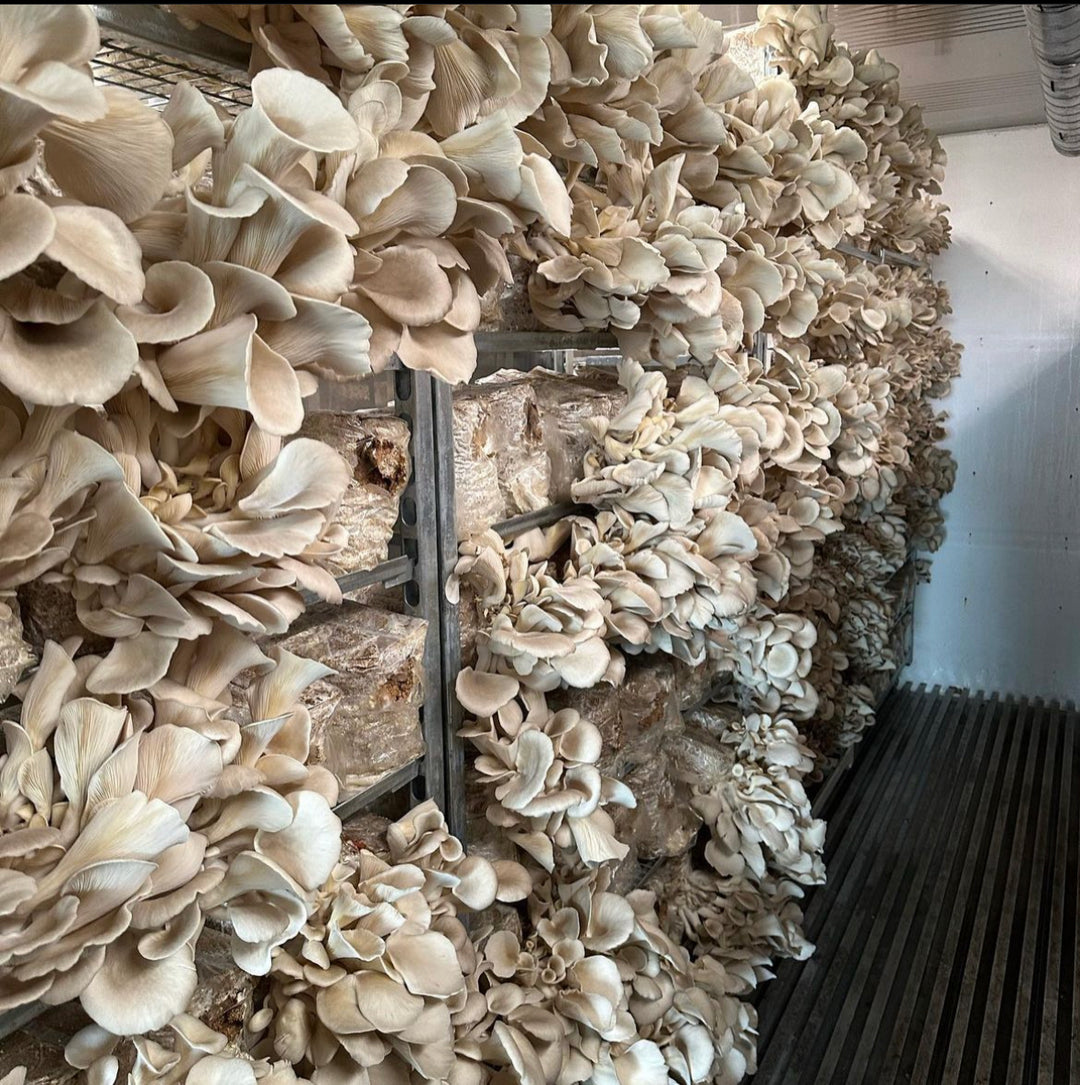
Indoor Farming

Indoor farming has emerged as one of the most significant shifts in how people think about growing food, moving cultivation from outdoor fields and gardens into controlled indoor environments where light, temperature, humidity, and nutrients can all be precisely managed. From small home setups to large commercial operations, indoor farming is
reshaping how fresh produce reaches our tables.
What Is Indoor Farming?
At its core, indoor farming means growing plants inside a controlled space, whether that’s a spare room, a dedicated grow tent, or a large-scale warehouse, using artificial lighting and managed environmental conditions instead of relying on natural sunlight and outdoor weather. This can range from simple hydroponic systems on a kitchen counter to
sophisticated multi-tier vertical farms producing thousands of plants at once.
Why Indoor Farming Has Grown So Popular
Several factors have driven the rise of indoor farming: growing interest in food security and self-sufficiency, increased awareness of the environmental cost of long-distance food transportation, and genuine advances in LED lighting and hydroponic technology that have made indoor growing more efficient and affordable than ever before. For home
growers specifically, indoor farming offers year-round access to fresh produce regardless of climate, season, or available outdoor space.
Key Components of an Indoor Farming System
Growing method: Most indoor farms use hydroponics (growing in nutrient-rich water rather than soil), though some use aeroponics or traditional soil-based methods adapted for indoor use.
Lighting: Full-spectrum LED grow lights replace natural sunlight, providing the specific light wavelengths plants need for photosynthesis.
Climate control: Temperature and humidity management, often through grow tents combined with humidifiers and ventilation, creates stable growing conditions regardless of external weather.
Nutrient delivery: Precisely balanced nutrient solutions replace the natural nutrient cycling that occurs in soil, allowing for faster, more controlled plant growth.
The Advantages Over Traditional Outdoor Growing
Indoor farming eliminates dependence on seasons, weather, and soil quality, three of the biggest variables and risk factors in traditional gardening. Plants grown indoors typically grow faster due to optimized conditions, and indoor systems generally use significantly less water than soil-based growing since water is recirculated rather than lost to runoff and evaporation. Indoor farming also essentially eliminates the pest and weather-related crop losses that outdoor gardeners regularly contend with.
Getting Started With Indoor Farming
For those new to indoor farming, starting small is the recommended approach: a single hydroponic system with a few plant sites, paired with an appropriate grow light, provides a manageable introduction to the core skills, monitoring pH, managing nutrient concentration, and understanding light cycles, before scaling up to a larger system or dedicated grow tent.
Building a Complete Indoor Farming Setup
Success in indoor farming depends heavily on having properly matched equipment: a hydroponic system sized appropriately for your space, grow lights suited to the plants you’re growing, and climate control to maintain stable temperature and humidity. https://nordichydro.com/ offers a complete range of indoor farming equipment, from
starter kits to full grow tent systems, suited to both beginners and more experienced growers.
Indoor farming represents a genuine shift in how individuals and households can approach food production, offering year-round, weather-independent growing regardless of climate or outdoor space. With the right equipment and a willingness to learn the basics, indoor farming is accessible to nearly anyone interested in growing their own fresh
food.