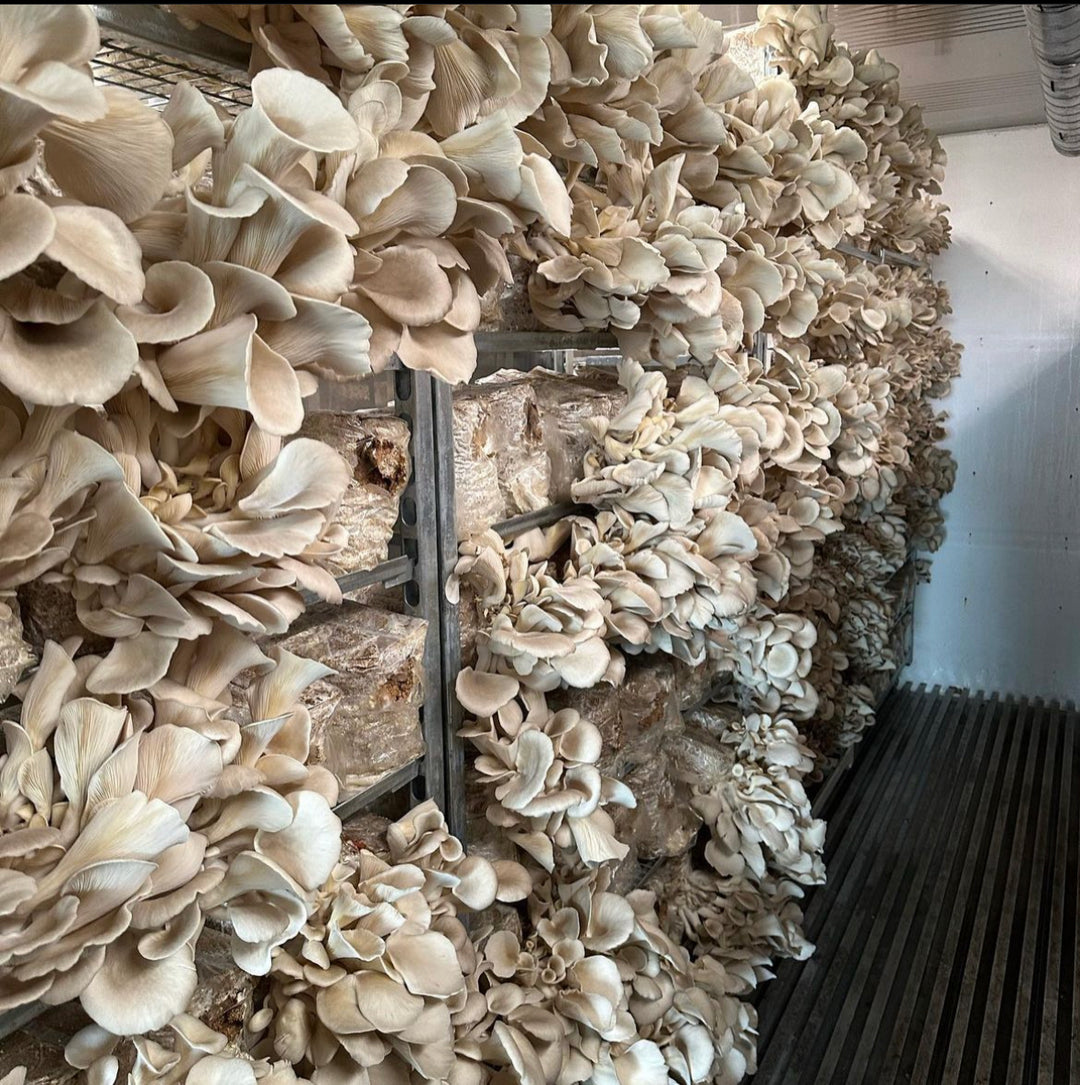
Indoor Farming Equipment

Successful indoor farming depends heavily on having the right equipment. While it’s tempting to improvise with household items to save money, most experienced indoor growers agree that investing in purpose-built equipment from the start leads to better results, fewer frustrations, and ultimately more cost-effective growing over time.
The Core Equipment Categories
Growing systems: Whether you choose deep water culture, nutrient film technique, or a vertical tower system, the growing system is the foundation of your indoor farm, determining how many plants you can grow and how efficiently nutrients reach their roots.
Grow lights: Full-spectrum LED grow lights replace natural sunlight, and their quality directly affects plant growth rate and health. Cheap, low-quality lights are one of the most common causes of disappointing results in indoor farming.
Grow tents: A dedicated grow tent creates an isolated, controllable environment, reflecting light efficiently, containing humidity and odors, and protecting plants from the fluctuating conditions of the rest of your home.
Humidifiers: Since indoor air, especially in heated homes, is often significantly drier than what most crops prefer, a humidifier is essential equipment for maintaining the humidity range that supports healthy growth.
Ventilation: Proper air circulation prevents mold and mildew, strengthens plant stems, and ensures consistent CO2 availability for photosynthesis.
Nutrients and pH management tools: A basic pH and EC meter, along with quality hydroponic nutrients, are essential for maintaining the precise conditions hydroponic systems require.
Matching Equipment to Your Growing Goals
The right equipment setup depends heavily on what you’re trying to achieve. A single-shelf herb garden needs only a small grow light and a basic hydroponic tray, while a full-scale indoor vegetable farm requires a properly sized grow tent, multiple grow lights, ventilation, and a humidifier to maintain stable conditions across a larger space. Starting with a clear sense of your goals, whether that’s supplementing your herb supply or aiming for substantial household food self-sufficiency, helps avoid both underinvesting (leading to poor results) and overinvesting (leading to unnecessary expense).
Why Equipment Quality Matters More Than People Expect
Indoor farming operates on tighter margins for error than outdoor gardening. Plants indoors are entirely dependent on the equipment providing their light, water, and nutrients, there’s no natural rainfall or ambient soil nutrients to fall back on if equipment underperforms. This is why quality matters disproportionately in indoor farming: a cheap,
unreliable pump or an underpowered grow light doesn’t just produce slightly worse results, it can lead to complete crop failure.
Building a System That Grows With You
One advantage of investing in quality indoor farming equipment is that most systems are modular and expandable. Starting with a single shelf and basic lighting, then adding additional shelves, lights, or even a dedicated grow tent as your skills and ambitions grow, is a far more sustainable approach than trying to build a large system all at once before
you’ve developed the experience to manage it well.
A Complete Source for Indoor Farming Equipment
Having access to a full range of properly matched, reliable equipment makes the difference between a thriving indoor farm and a frustrating series of failed attempts. https://nordichydro.com/ offers a complete selection of indoor farming equipment, including hydroponic systems, grow lights, grow tents, and humidifiers, suited to growers at every stage from complete beginner to advanced.
The right equipment is the foundation of successful indoor farming. By investing thoughtfully in quality growing systems, lighting, and climate control matched to your specific goals, you set yourself up for consistent, reliable harvests rather than the frustration of a poorly equipped setup.