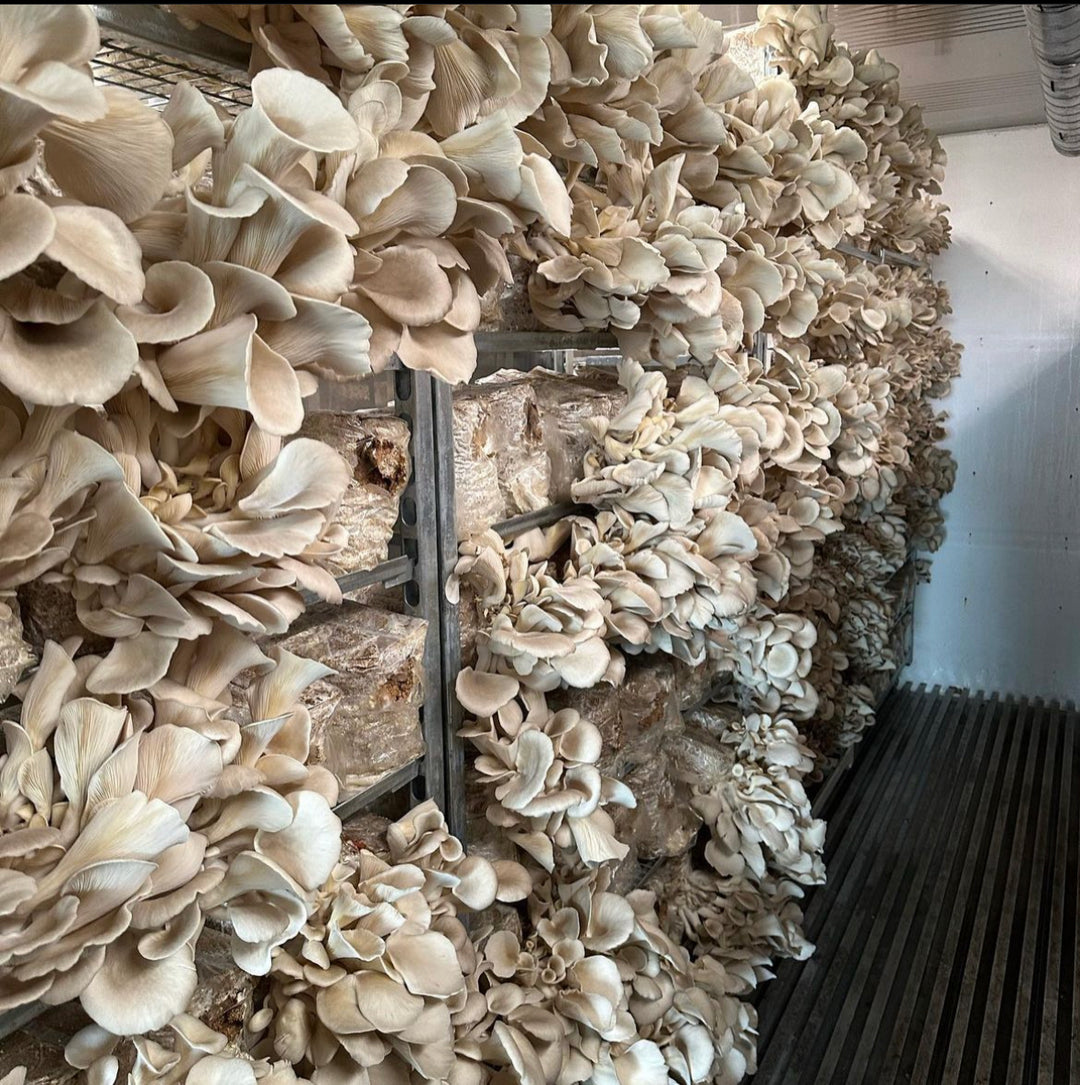
Indoor Farming: The Complete Guide to Growing Food Indoors

What Is Indoor Farming?
Indoor farming is the practice of growing crops inside a controlled environment —
completely independent of outdoor weather, seasons, and soil conditions. Indoor
farming uses artificial lighting, precise nutrient delivery systems, and climate control
to create ideal growing conditions year-round. From small home setups to large
commercial warehouses, indoor farming is rapidly transforming the way the world
thinks about food production.
The concept of indoor farming has existed in various forms for centuries, but modern
indoor farming has evolved into a highly sophisticated discipline. Today, indoor
farming encompasses everything from a herb rack on a kitchen counter to multi-
storey vertical farms producing millions of kilograms of salad leaves annually for
supermarkets. Whatever the scale, the principle of indoor farming remains the same:
bring the growing environment inside, control it precisely, and produce consistently
high-quality food.
Why Is Indoor Farming Growing So Fast?
Indoor farming is growing faster than almost any other segment of the food and
agriculture industry. The drivers are clear and compelling. Climate change is making
outdoor food production increasingly unpredictable. Population growth is putting
pressure on available agricultural land. Supply chain disruptions have highlighted the
fragility of food systems that rely on produce grown thousands of kilometres away.
Indoor farming addresses all of these challenges simultaneously.
Indoor farming also uses up to 90% less water than conventional farming, requires
no pesticides, produces no agricultural runoff, and can be established almost
anywhere — including in urban centres close to the people who will eat the food. The
environmental case for indoor farming has never been stronger.
Types of Indoor Farming
Indoor farming takes many forms. Hydroponic indoor farming grows plants in
nutrient-enriched water without soil — the most common approach in commercial
indoor farming. Aeroponic indoor farming mists plant roots with nutrient solution,
producing extremely fast growth rates. Aquaponic indoor farming combines fish
farming with plant growing, using fish waste as a natural fertiliser. Vertical indoor
farming stacks growing layers on top of each other, maximising production in a small
footprint. Each type of indoor farming has distinct advantages depending on the
crops being grown and the goals of the operation.
What Can You Grow with Indoor Farming?
Indoor farming is most productive with crops that have short growing cycles,
compact root systems, and high commercial value. Leafy greens — lettuce, spinach,
kale, chard — are the dominant crops in indoor farming worldwide. Herbs — basil,
cilantro, parsley, dill — are highly profitable indoor farming crops with strong restaurant and retail demand. Microgreens are increasingly popular indoor farming
crops, harvested in just 7–14 days. Strawberries, cherry tomatoes, and peppers are
also successfully grown through indoor farming in many commercial operations.
Indoor Farming in Nordic Countries
Indoor farming is particularly relevant in Nordic countries, where the outdoor growing
season is limited to a few months of the year. In Finland, Norway, Sweden, and
Denmark, indoor farming offers the only viable route to year-round domestic fresh
produce production. The Nordic market for indoor farming has grown substantially in
recent years, with both commercial operations and home growers embracing indoor
farming as a sustainable, practical solution to the challenges of the Northern climate.
If you´re interested in starting your own indoor farming operation — whether at home
or commercially — https://nordichydro.com/ is a specialist indoor farming supplier
serving the Nordic market. We stock a comprehensive range of indoor farming
equipment, nutrients, and growing systems for growers at every level.
Is Indoor Farming Profitable?
Indoor farming can be highly profitable when managed well. The key to profitable
indoor farming is focusing on high-value crops, managing energy costs (particularly
lighting), and finding reliable markets. Indoor farming operations that supply local
restaurants, food retailers, or direct-to-consumer subscription services with fresh
herbs, microgreens, and salad leaves can achieve strong returns. For home
growers, indoor farming pays dividends in fresh produce, reduced grocery costs, and
personal satisfaction.
Getting Started with Indoor Farming
The best way to get started with indoor farming is to start small, learn the
fundamentals, and scale up as your knowledge and confidence develop. A simple
indoor farming setup — a grow rack, LED lights, and a basic hydroponic system —
can be assembled for a modest budget and will teach you everything you need to
know about indoor farming before you invest in a larger operation. The indoor
farming community is also a tremendous resource: online forums, YouTube
channels, and courses provide a wealth of indoor farming knowledge for new
growers.
Indoor farming is one of the most exciting and important developments in modern
agriculture. Whether you´re drawn to indoor farming for its sustainability, the quality
of the produce it produces, the business opportunity it represents, or simply the
desire to grow your own food year-round, the indoor farming revolution offers
something for everyone. The future of food is increasingly being grown indoors —
and it´s a future worth being part of.