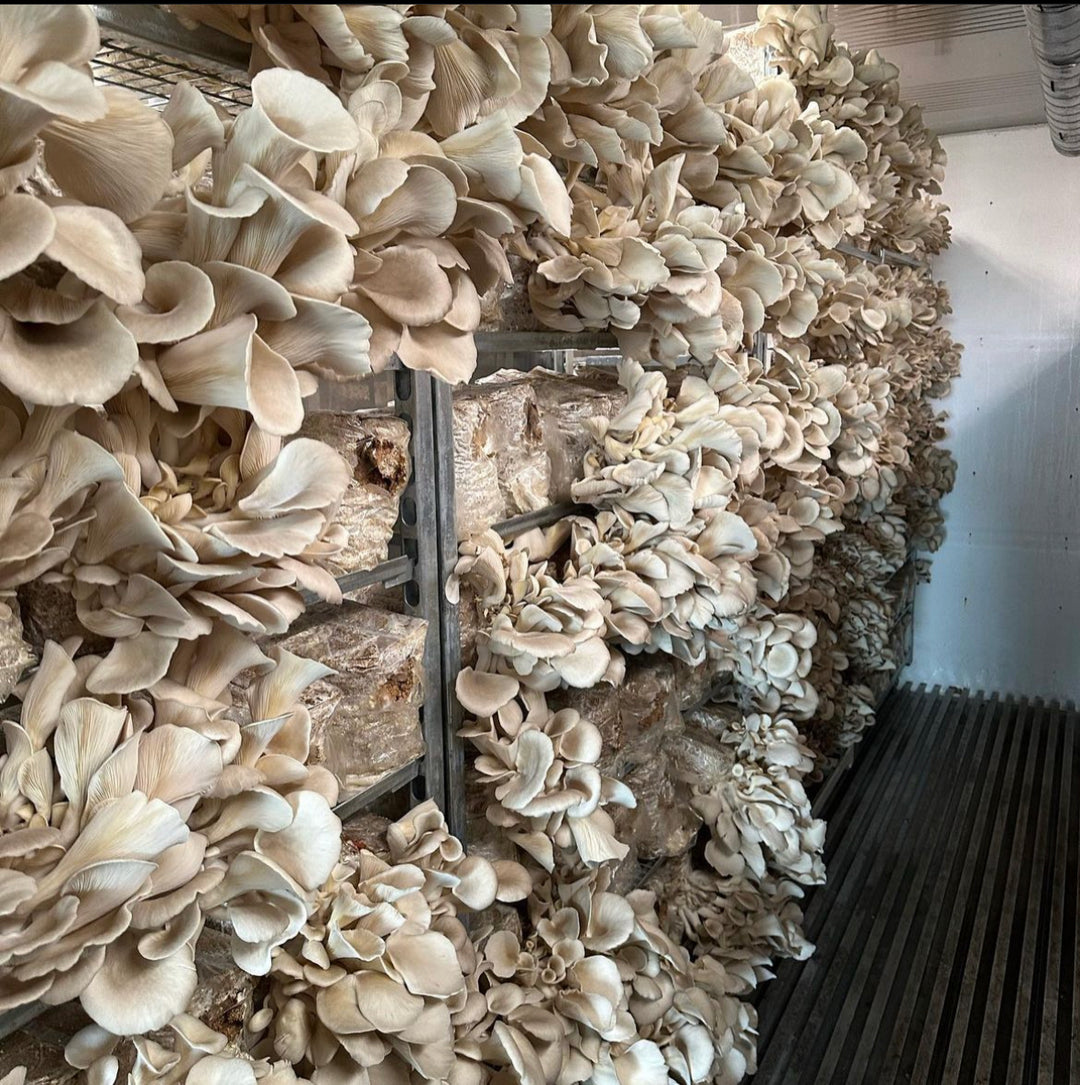
Indoor Food Production

Indoor food production has evolved from a niche hobby into a genuine, scalable way to supply households and communities with fresh produce regardless of climate, season, or outdoor space. As concerns about food security, freshness, and sustainability grow, more people are looking to indoor food production as a practical, achievable solution.
What Indoor Food Production Actually Involves
Indoor food production covers a range of methods, from simple countertop hydroponic gardens growing a handful of herbs, to full grow tents producing a rotating supply of vegetables, to large-scale commercial operations using vertical farming techniques to grow food at significant volume within a warehouse. What unites all of these approaches is the use of controlled environments, artificial lighting, managed temperature and humidity, and precise nutrient delivery, to grow food independently of outdoor conditions.
Why Indoor Food Production Matters
Traditional agriculture is highly dependent on climate, season, soil quality, and increasingly unpredictable weather patterns. Indoor food production removes these dependencies almost entirely, allowing for consistent, year-round production regardless of what’s happening outside. This has significant implications both for individual households
seeking more control over their food supply and for regions with challenging climates that limit traditional outdoor growing seasons.
The Core Technologies Behind Indoor Food Production
Hydroponics: Growing plants in nutrient-rich water instead of soil, allowing for faster growth and more efficient use of space and water.
LED grow lighting: Full-spectrum lights that replace natural sunlight, allowing plants to photosynthesize effectively regardless of available natural light.
Climate control systems: Managing temperature and humidity to maintain optimal growing conditions, often through grow tents combined with humidifiers and ventilation.
Vertical growing structures: Stacking growing levels to maximize the amount of food produced per square foot of floor space.
What Can Be Grown Indoors With Hydroponics
Leafy greens, herbs, and microgreens are the most common and reliable indoor food crops due to their short growth cycles and tolerance of a range of conditions. With adequate space, light, and a properly designed system, indoor production can extend to fruiting vegetables like tomatoes, peppers, and cucumbers, as well as strawberries and other compact fruiting plants.
Scaling Indoor Food Production
Indoor food production scales remarkably well, from a single shelf producing herbs for one household, up to community and commercial-scale operations supplying fresh produce to local markets and restaurants. This scalability is part of what makes indoor food production such a compelling solution for both individual self-sufficiency and broader food security concerns, particularly in urban areas or regions with limited arable land.
Building an Indoor Food Production System
Getting started with indoor food production requires matching your equipment to your goals: a modest hydroponic system and grow light for a household supplementing their grocery shopping, or a more comprehensive grow tent setup with multiple growing levels for those aiming to produce a significant portion of their household’s fresh produce.
https://nordichydro.com/ offers a complete range of equipment for indoor food production, suited to everything from a single herb garden to a full multi-tier growing operation.
Indoor food production offers a genuinely scalable, climate-independent way to grow fresh food, whether your goal is supplementing your grocery shopping with fresh herbs or building significant household food self-sufficiency. With the right equipment and approach, indoor food production is accessible to nearly anyone willing to learn the fundamentals.