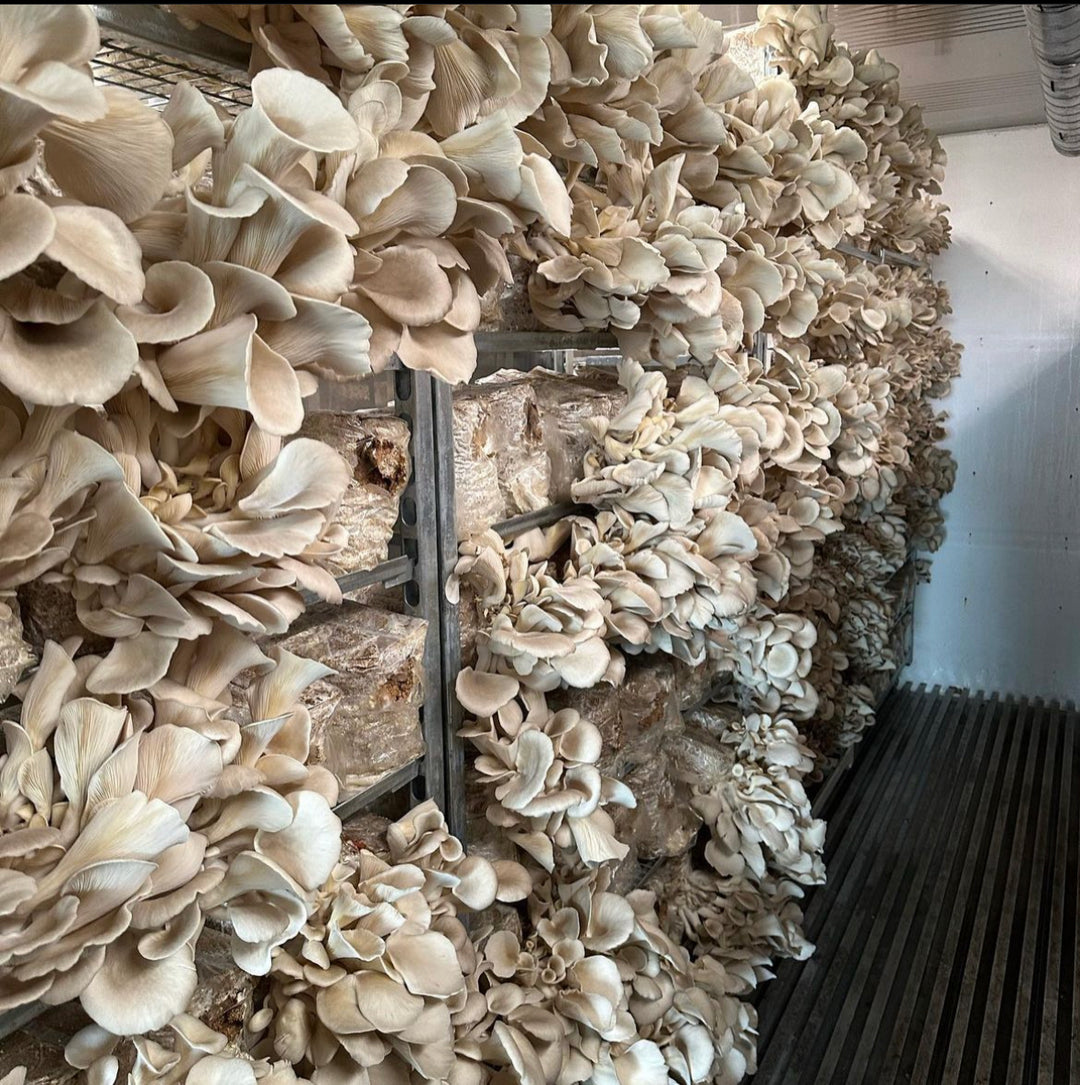
Indoor Food Production: A Modern Approach to Growing Fresh Food

What Is Indoor Food Production?
Indoor food production is the practice of growing edible crops inside a building or
enclosed space, using controlled growing techniques rather than relying on natural
weather, soil, and seasons. Indoor food production includes everything from a small
herb garden on a kitchen windowsill to sophisticated commercial vertical farms
producing tonnes of leafy greens every week. The defining characteristic of
indoor food production is control — over light, temperature, humidity, nutrients, and
water — resulting in consistent, predictable harvests of high-quality food throughout
the year.
Indoor food production has gained enormous momentum over the past decade,
driven by advances in LED lighting technology, hydroponic growing systems, and
automation. These advances have made indoor food production more efficient, more
affordable, and more scalable than ever before, opening up opportunities for both
individual home growers and large commercial indoor food production businesses.
Why Indoor Food Production Is Gaining Traction
Several powerful trends are driving growth in indoor food production globally.
Urbanisation is concentrating populations in cities where outdoor growing space is
limited, making indoor food production the primary viable option for local food
production. Climate change is making conventional outdoor food production
increasingly unreliable, increasing the appeal of controlled indoor food production
environments. Consumer demand for fresh, local, pesticide-free food aligns perfectly
with what indoor food production delivers. And the rapid decline in the cost of LED
lighting has made indoor food production economically viable at scales that were
previously impossible.
Methods of Indoor Food Production
The dominant methods of indoor food production are hydroponic growing (plants in
nutrient-enriched water), aeroponic growing (roots misted with nutrient solution), and
aquaponic growing (combining fish and plant production). Within these approaches,
indoor food production can take the form of horizontal bench growing, vertical
stacked growing, or container-based growing. Each indoor food production method
has its own strengths, and the best choice depends on the crops being grown, the
available space, and the goals of the indoor food production operation.
Commercial Indoor Food Production
Commercial indoor food production has become a significant industry in countries
across Europe and North America. Commercial indoor food production facilities —
often called vertical farms or plant factories — use sophisticated automation, IoT
monitoring systems, and precisely calibrated lighting and nutrient programmes to
produce consistent, high-quality crops at scale. Commercial indoor food production
typically focuses on high-value, fast-growing crops like lettuce, herbs, and
microgreens, which command premium prices in retail and food service markets.
Home Indoor Food Production
Home indoor food production is accessible to anyone with a small indoor space and
a modest budget. A home indoor food production setup can be as simple as a
windowsill herb kit or as elaborate as a multi-rack growing room with automated
environmental controls. For most home growers, a practical indoor food production
setup involves a grow rack, LED lights, and a simple hydroponic system capable of
producing fresh herbs, salad leaves, and microgreens year-round. This scale of
indoor food production can significantly reduce grocery costs while providing access
to fresher food than any supermarket can offer.
For indoor food production equipment, systems, nutrients, and expert advice,
https://nordichydro.com/ is a trusted specialist supplier for the Nordic region.
Whether you´re setting up a home indoor food production system or planning a
commercial indoor food production operation, they have the products and knowledge
to help.
Indoor Food Production and Sustainability
Indoor food production has significant sustainability advantages over conventional
outdoor agriculture. Indoor food production uses a fraction of the water required by
field farming, requires no chemical pesticides or herbicides, can be powered by
renewable energy, and eliminates the food miles associated with imported produce.
For Nordic countries with ambitious sustainability goals, indoor food production
represents a meaningful contribution to more sustainable food systems.
The Future of Indoor Food Production
The future of indoor food production looks extremely promising. As LED costs
continue to fall, automation technology improves, and consumer demand for locally
grown fresh food grows, indoor food production will play an increasingly important
role in feeding urban populations around the world. Nordic countries, with their
challenging climates and strong commitments to sustainability, are well-positioned to
be leaders in indoor food production innovation.
Indoor food production is a powerful, practical, and sustainable approach to growing
food in the modern world. Whether pursued at home or at commercial scale, indoor
food production offers consistent quality, year-round availability, and environmental
benefits that conventional agriculture simply cannot match. The indoor food
production revolution is well underway — and it´s an excellent time to be part of it.