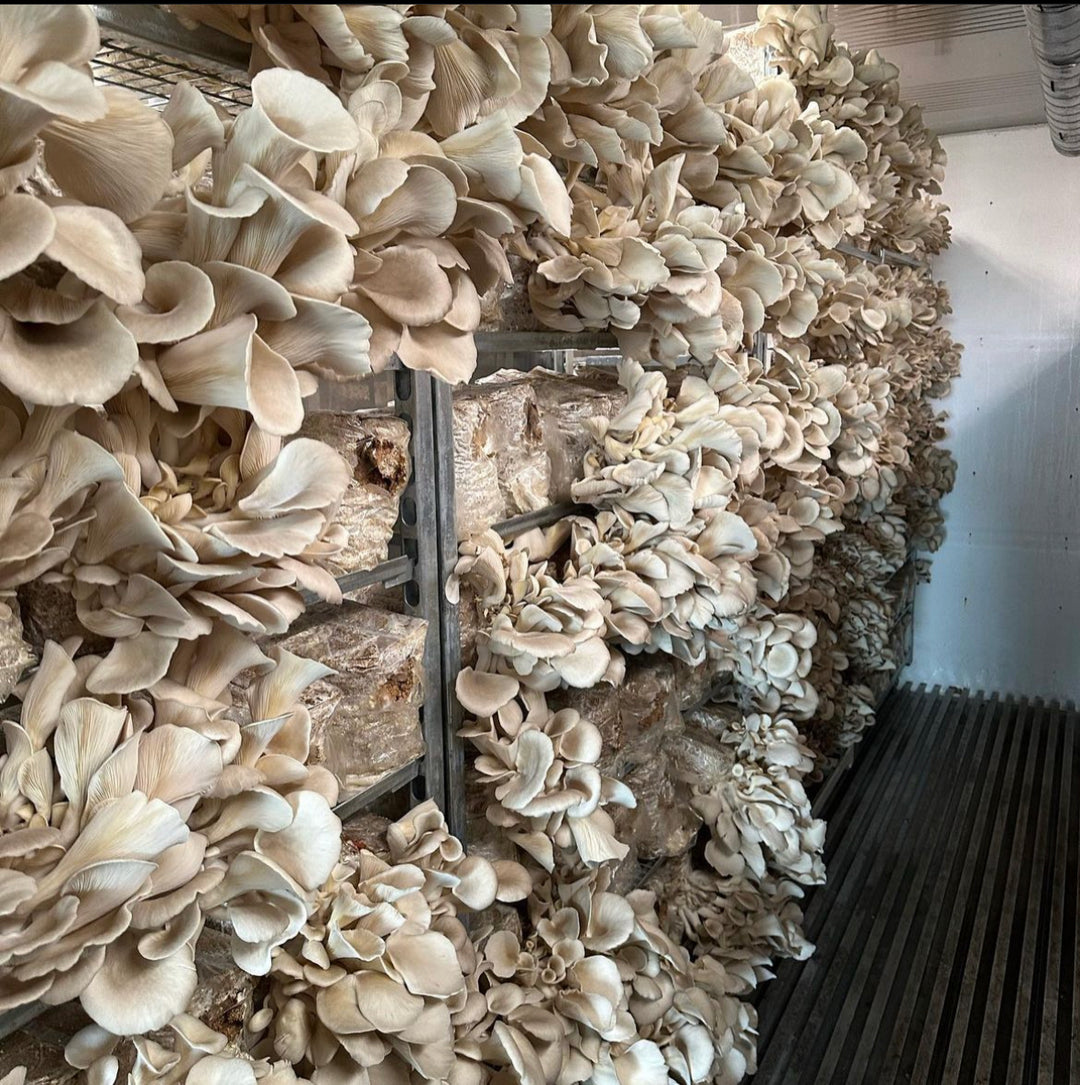
The Future of Food: Growing in a Closed Environment (CEA)

Topics Covered:
Growing crops in a closed environment using led growlights and hydroponics
Closed Environment Agriculture (CEA) is the practice of completely isolating your crop from the outside world. It is the difference between gardening and farming technology. By
using a grow tent or a sealed room, you effectively create a clean room laboratory for plants.
Why Go Closed?
1. Total Biosecurity: In a closed environment, there are no seasons, and more
importantly, no pests. By filtering the air intake, you prevent aphids, spider
mites, and caterpillars from ever reaching your crops. This means you can
grow 100% pesticide-free.
1. CO2 Enrichment: In a regular garden, plants are limited by the CO2 levels in
the air (about 400ppm). In a sealed room with high-powered LED grow lights,
you can artificially boost CO2 to 1200-1500ppm. This supercharges
photosynthesis, potentially increasing yields by up to 30%.
2. Water Recycling: A closed loop hydroponic system recycles almost all the
water it uses. The plants transpire water into the air, which is then captured by
a dehumidifier and can be filtered and put back into the reservoir. It is the most
water-efficient way to grow food on the planet.
The Equipment Checklist
To run a true closed environment, you need three pillars:
- Lighting: Full-spectrum LEDs.
- Climate: Inline fans with carbon filters and environmental controllers.
- Hydration: A recirculating hydroponic system (DWC or NFT).
Building a CEA setup can seem daunting, but it pays off in consistency. You get the same
perfect harvest in December as you do in June. If you are ready to build your own closed loop system, check out the kits and individual components at nordichydro.com to get started with professional-grade gear.