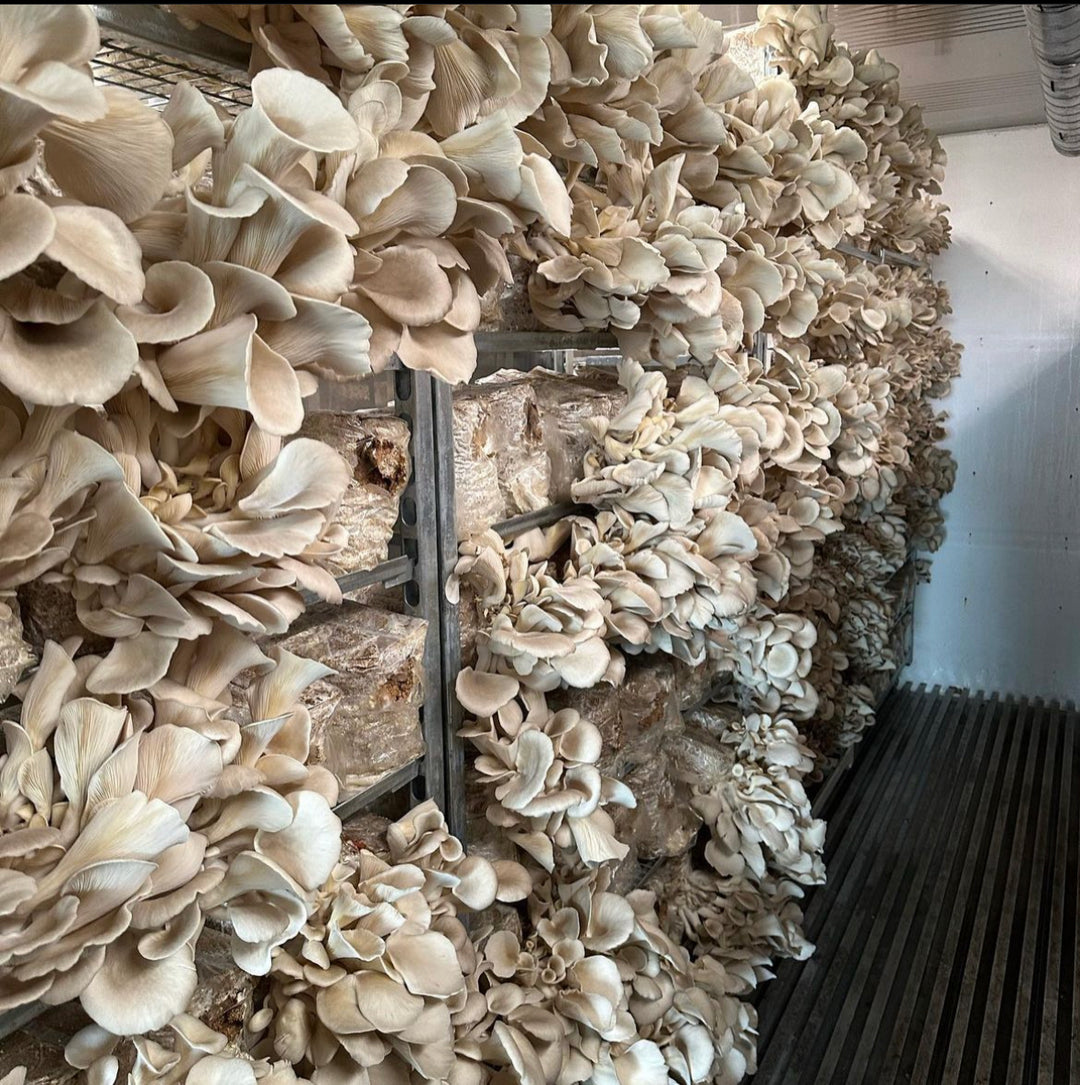
Vertical Farming Business

Vertical farming has grown from an experimental agricultural concept into a genuine, scalable business model, attracting entrepreneurs interested in producing fresh, local food efficiently, regardless of available land or outdoor climate. For those considering entering the space, understanding what makes a vertical farming business viable is essential before making significant investment decisions.
What Defines a Vertical Farming Business
A vertical farming business grows crops in stacked layers within a controlled indoor environment, using hydroponic or aeroponic systems combined with LED grow lighting to maximize the amount of food produced per square foot of floor space. Unlike traditional farming, which is constrained by available land, vertical farming businesses can operate in
urban warehouses, converted retail spaces, or purpose-built facilities, bringing food production closer to the customers who will eventually buy it.
Why Vertical Farming Appeals as a Business Model
Vertical farming offers several structural business advantages: faster crop cycles compared to traditional agriculture, the ability to operate independent of season or weather, significantly reduced water usage through recirculating hydroponic systems, and proximity to urban markets, which reduces transportation costs and allows for genuinely fresher product reaching customers faster than produce shipped from distant traditional farms.
Key Considerations Before Starting a Vertical Farming Business
Crop selection: Leafy greens, herbs, and microgreens dominate the vertical farming business landscape because of their short growth cycles and strong margins relative to growing space required. More capital-intensive crops require careful market analysis before committing significant resources.
Market and customer base: Successful vertical farming businesses typically identify their target customers early, whether that’s restaurants seeking premium local greens, retail grocery partnerships, or direct-to-consumer sales, since this shapes everything from crop selection to packaging and delivery logistics.
Energy costs: Since vertical farming relies entirely on artificial lighting and climate control, energy efficiency is a major factor in long-term profitability. Investing in efficient LED lighting and well-insulated growing spaces significantly affects operating margins.
Scale and capital requirements: Vertical farming businesses range from small-scale operations supplying a handful of local restaurants to large commercial facilities with significant capital investment. Starting smaller and scaling based on proven demand is generally a lower-risk approach than committing to large-scale infrastructure before establishing market fit.
Common Challenges in the Vertical Farming Business Model
New vertical farming businesses often underestimate the operational complexity of maintaining consistent quality and yield at scale, along with the energy costs associated with running lighting and climate control continuously. Building relationships with reliable customers who value consistent, local supply, and can absorb the pricing needed to make the business sustainable, is often as important as getting the growing technology right.
Starting Small and Scaling Strategically
Many successful vertical farming businesses began as small operations, testing crop selection, refining growing techniques, and building customer relationships before investing in larger-scale infrastructure. This approach allows for learning and adjustment with lower financial risk than committing to a large facility from the outset.
Equipment for Building a Vertical Farming Business
Whether starting small or planning for larger scale, having access to reliable, quality growing equipment is foundational to building a viable vertical farming business. https://nordichydro.com/ offers hydroponic systems, LED grow lighting, and climate control equipment suited to both starter operations and scaling businesses.
Vertical farming offers a genuinely viable business model for those willing to navigate its specific operational and market challenges. Starting with a clear crop and customer strategy, and scaling deliberately based on proven demand, gives new vertical farming businesses the best chance of building a sustainable, profitable operation.