Vertical Farming for Beginners: Your Step- by-Step Guide to Getting Started

What Is Vertical Farming for Beginners?
Vertical farming for beginners is the entry point into one of the most exciting and fast-
growing areas of modern agriculture. Vertical farming for beginners means starting to
grow food in stacked layers indoors — using artificial lighting, hydroponic systems,
and controlled growing conditions — without any prior farming or growing
experience. Vertical farming for beginners might sound technically intimidating, but
the fundamental principles are straightforward, and with the right equipment and
guidance, vertical farming for beginners is entirely achievable.
Vertical farming for beginners starts with understanding what vertical farming actually
is: the practice of growing crops in vertically stacked layers inside a controlled indoor
environment. Instead of spreading crops across a large horizontal area of soil,
vertical farming for beginners maximises the productivity of a small footprint by
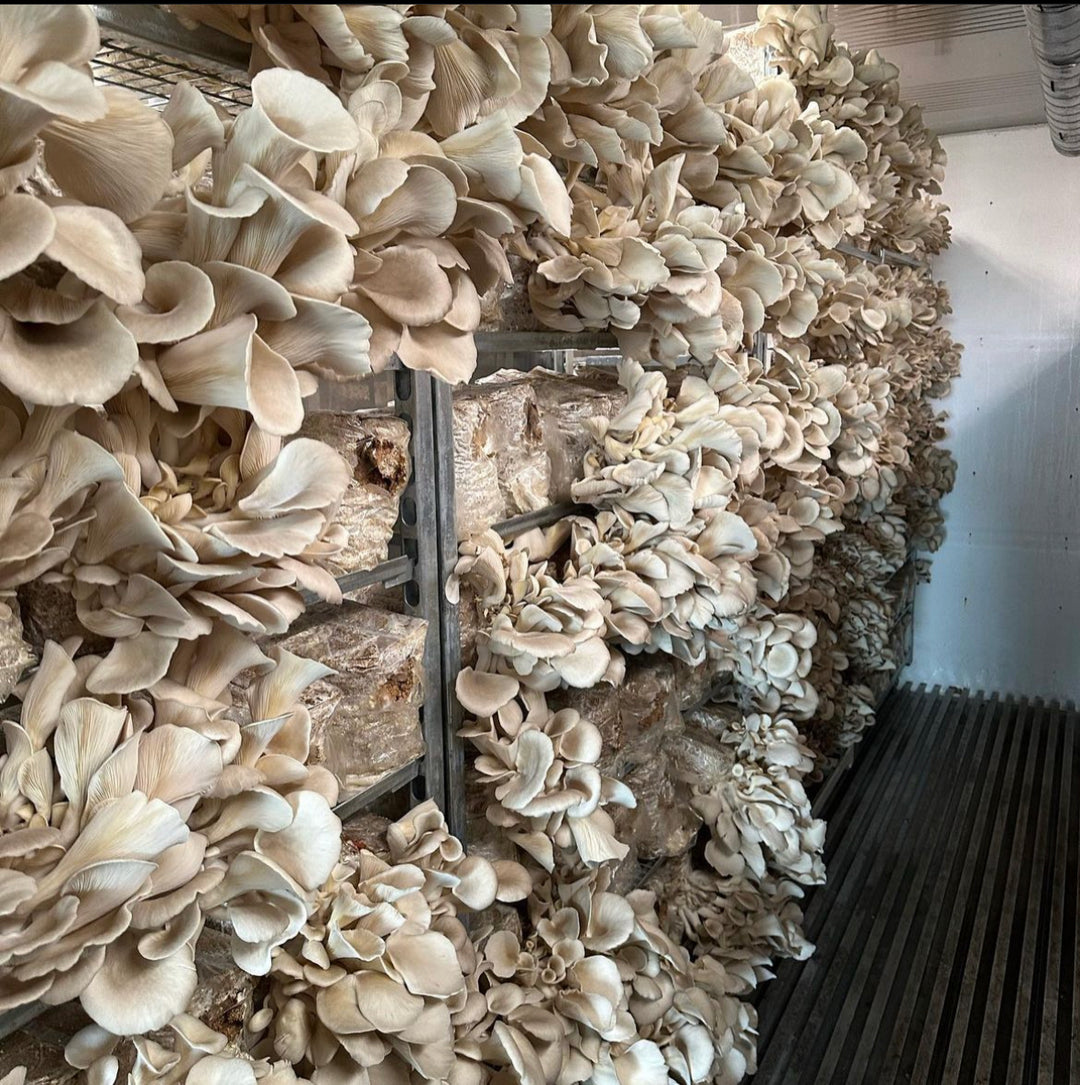
growing upward — stacking trays of plants on multi-tier racks, each level equipped
with its own LED lighting. Vertical farming for beginners can be set up in a spare
room, a garage, a basement, or inside a growtent.
Why Vertical Farming for Beginners Is an Excellent Starting Point
Vertical farming for beginners offers a unique combination of accessibility and
potential. Unlike traditional farming, vertical farming for beginners requires no land,
no soil, and no dependence on the right weather conditions. Vertical farming for
beginners can be started on a small budget, in a small space, at any time of year.
And vertical farming for beginners is deeply educational — it teaches you about plant
biology, nutrient management, environmental control, and food production in a very
hands-on, direct way. Many people who start with vertical farming for beginners
discover a passion that grows into a serious hobby or even a career.
Setting Up Your First Vertical Farming for Beginners System
The first step in vertical farming for beginners is choosing your growing setup. For
vertical farming for beginners, a multi-tier grow rack (typically a wire shelving unit of
2–4 levels) is the structural foundation. Each shelf in your vertical farming for
beginners rack holds a hydroponic growing system — for beginners, a simple Kratky
or DWC system is ideal. Each shelf also needs its own LED grow light panel,
positioned 30–40cm above the plant canopy. A growtent can provide a contained
growing environment for your vertical farming for beginners setup if you want to
control conditions more precisely.
Vertical Farming for Beginners: Choosing Your Crops
Vertical farming for beginners should start with the easiest, fastest-growing crops.
Lettuce, spinach, and mixed salad leaves are the classic vertical farming for
beginners crops — they grow quickly under LED lights, don´t require complex
nutrients, and produce continuous harvests. Herbs — basil, parsley, chives, cilantro
— are ideal vertical farming for beginners crops that produce an immediately useful
kitchen harvest. Microgreens are another perfect vertical farming for beginners crop: they grow in shallow trays, are ready in 7–14 days, and are among the most nutrient-
dense foods you can grow. Start your vertical farming for beginners journey with
these crops, then expand your repertoire as your skills develop.
Vertical Farming for Beginners: Understanding Light
Lighting is the most important variable in vertical farming for beginners. In vertical
farming for beginners, LED grow lights replace the sun. For vertical farming for
beginners, full-spectrum LED panels that deliver a balanced light spectrum (including
both blue and red wavelengths) are the right choice. For leafy greens and herbs in a
vertical farming for beginners setup, LED panels delivering 200–400 PPFD
(photosynthetic photon flux density) at canopy level are appropriate. Run your lights
for 14–16 hours per day on a timer in your vertical farming for beginners system.
Vertical Farming for Beginners: Nutrients and Water
In vertical farming for beginners hydroponic systems, you provide all plant nutrition
through a nutrient solution mixed with water. For vertical farming for beginners, a
high-quality two-part or three-part hydroponic nutrient solution is the easiest
approach — follow the manufacturers dosing instructions and adjust based on your
plants response. The pH of your nutrient solution in your vertical farming for
beginners setup should be maintained between 5.5 and 6.5 for most crops. Check
pH regularly and adjust as needed — it´s the single most impactful habit you can
develop in vertical farming for beginners.
For vertical farming for beginners equipment — including grow racks, LED lights,
hydroponic systems, nutrients, and seeds — visit https://nordichydro.com/. We
offer complete vertical farming for beginners starter packages and individual
components for growers in the Nordic region, along with expert advice to help you
build the right vertical farming for beginners setup.
Common Vertical Farming for Beginners Mistakes to Avoid
The most common vertical farming for beginners mistakes are: choosing crops that
are too demanding for a first setup (stick to leafy greens and herbs); neglecting pH
management; insufficient lighting (don´t underestimate how much light plants need in
vertical farming for beginners); overcrowding plants on the tray; and not keeping
equipment clean. Being aware of these vertical farming for beginners pitfalls from the
start puts you well ahead of the curve.
Vertical farming for beginners is an accessible, exciting, and deeply rewarding entry
point into modern indoor agriculture. Start with simple crops, the right equipment,
and a commitment to learning, and your vertical farming for beginners journey will
quickly transform into a productive and satisfying food growing practice. Whether
your goal is fresh food for your own household or the foundation of a commercial
vertical farming business, vertical farming for beginners is the place to start — and
the right time to start is now.