Why Is a Humidifier Important in Industrial Production?

Humidity control is one of the most underrated factors in industrial and commercial production environments. From large-scale indoor farming operations to manufacturing facilities, maintaining precise humidity levels isn’t a nice-to-have, it’s often the difference between consistent, high-quality output and costly production losses. Here’s why humidifiers play such a critical role at an industrial scale.
Consistency at Scale
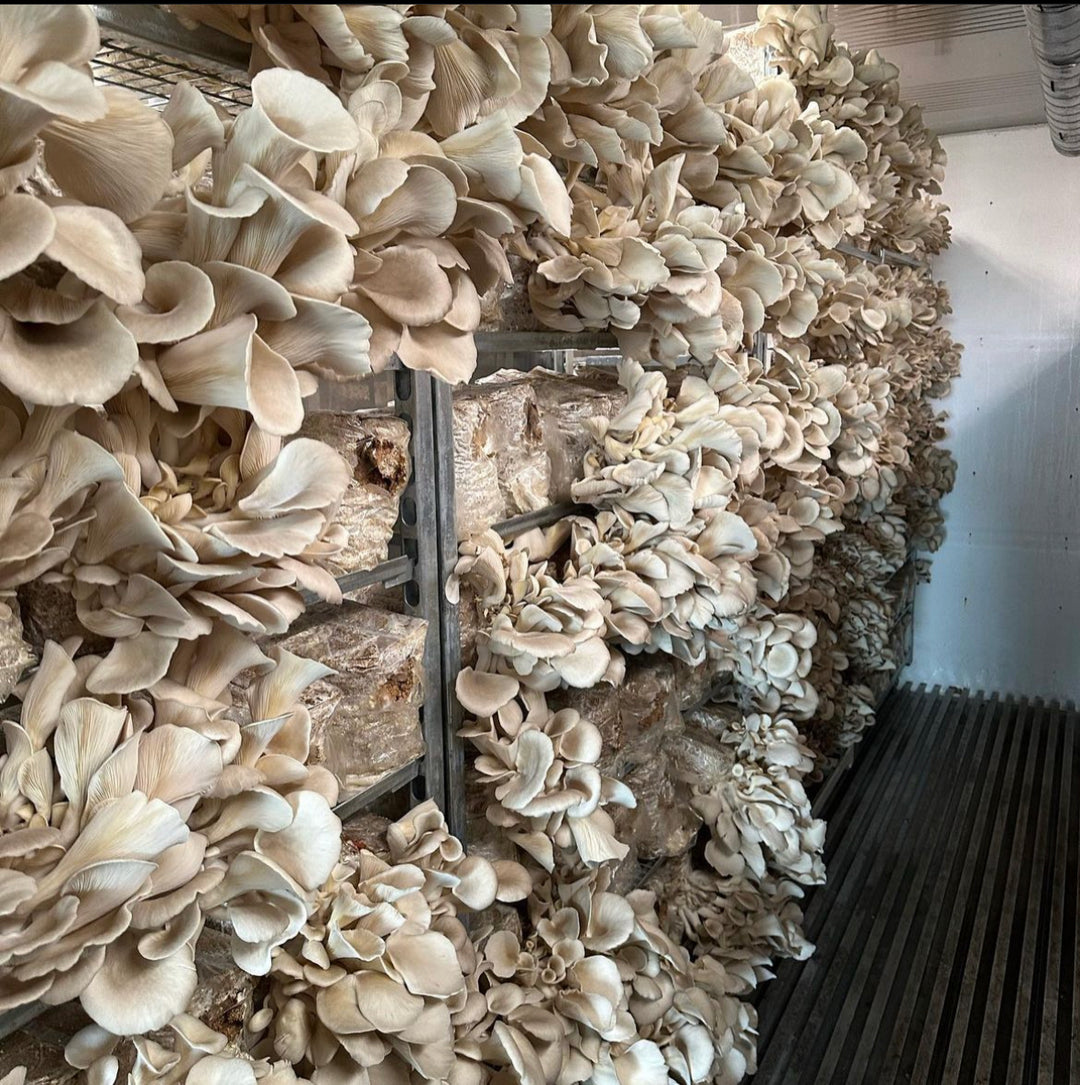
In a home growing setup, a small fluctuation in humidity might slow one plant’s growth slightly. In an industrial-scale controlled environment agriculture (CEA) operation, the same fluctuation, multiplied across thousands of plants, can mean significant losses in yield and quality. Industrial humidifiers are designed to maintain precise, stable humidity
levels across large spaces, ensuring that every plant, regardless of its position in the facility, receives consistent
growing conditions.
This consistency is what allows commercial indoor farms to guarantee predictable harvest volumes and quality to their customers, something that would be nearly impossible without tightly controlled humidity.
Preventing Crop Loss and Disease
Humidity that’s too low stresses plants and slows growth, while humidity that’s too high creates conditions ideal for mold, mildew, and fungal disease, which can spread rapidly through a densely planted commercial facility. Industrial humidifiers, especially when paired with dehumidification and climate control systems, allow operators to keep
humidity within the narrow band that maximizes growth while minimizing disease risk. A single uncontrolled humidity swing in a large facility can result in the loss of an entire production cycle, representing a substantial financial hit.
Beyond Agriculture: Manufacturing and Industrial Applications
Humidity control matters well beyond farming. In manufacturing environments, especially those working with paper, textiles, wood products, pharmaceuticals, and electronics, humidity directly affects product quality:
• Paper and printing: Dry air causes paper to become brittle and prone to static, leading to misfeeds and print quality issues
• Textiles: Fiber processing and weaving require specific humidity levels to prevent thread breakage and static buildup
• Pharmaceuticals: Many manufacturing processes require strict humidity control to maintain product stability and comply with regulatory standards
• Electronics manufacturing: Static discharge caused by dry air can damage sensitive components during assembly
• Wood and furniture production: Humidity control prevents warping and cracking both during production and in the finished product
Employee Health and Productivity
Industrial facilities that maintain proper humidity levels also see benefits in workforce health and productivity. Dry air conditions common in poorly humidified industrial spaces contribute to respiratory irritation, increased sick days, and general discomfort, all of which affect productivity. Facilities that invest in proper humidity control often see measurable improvements in employee comfort and reduced absenteeism, particularly during winter months.
Energy Efficiency Considerations
Modern industrial humidifiers are also built with energy efficiency in mind. Because heating systems in industrial buildings naturally reduce humidity, integrating humidification directly into the climate control strategy is more energy-efficient than treating it as an afterthought. Properly sized industrial humidifiers, matched to the cubic volume of the space they serve, avoid the energy waste of underpowered units running constantly or oversized units cycling inefficiently.
Scaling From Home to Commercial
For businesses moving from a small-scale operation into commercial indoor farming or production, understanding humidity requirements early prevents costly retrofits later. What works for a single grow tent doesn’t scale linearly to a warehouse-sized facility, and getting professional guidance on industrial humidification early in the planning process
saves significant time and money. Whether you’re scaling up a growing operation or need reliable humidity control for another type of production environment, https://nordichydro.com/ offers humidifiers suited to both small grow tents and larger indoor farming setups, with options that scale as your operation grows.
In industrial production, humidity isn’t a background detail, it’s a controllable variable that directly affects product quality, consistency, and worker wellbeing. Investing in proper humidification isn’t just about comfort; it’s a core part of maintaining consistent, high-quality output at scale.